

Overview

Idalia supports flexible planning by allowing you to assign resources to activities as types, called Placeholders, rather than as specific instances. As the activity nears, you can then easily choose a specific instance to use. All properties of the placeholder, such as dates and relationships to other activities, are inherited by the specific instance. Placeholder example
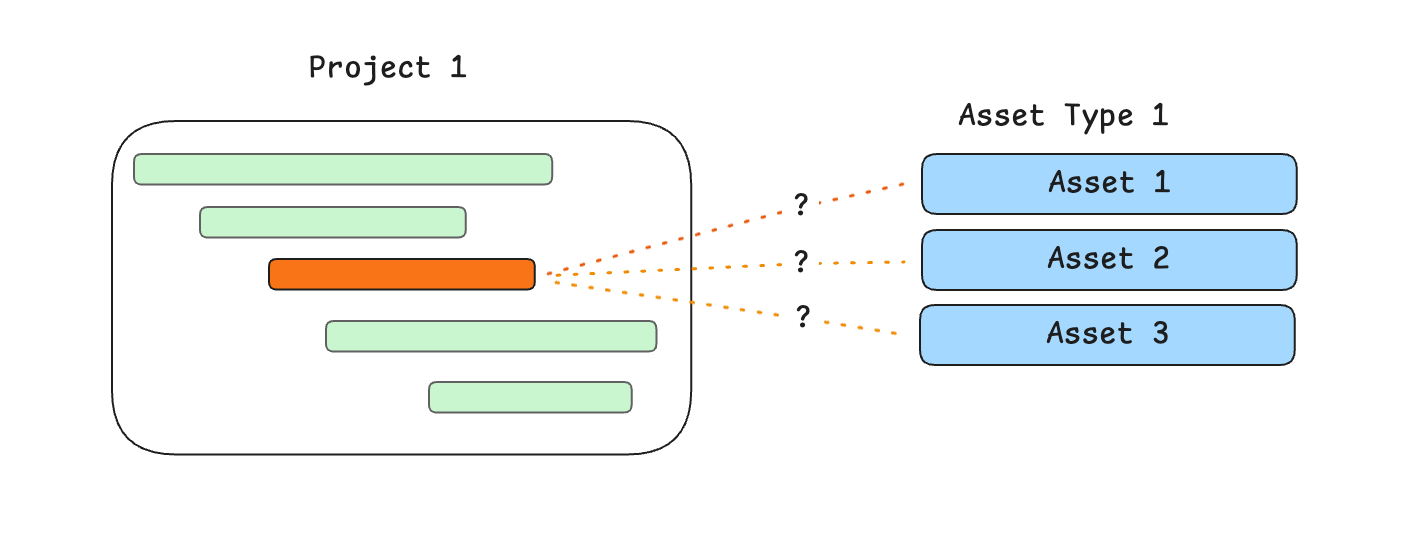
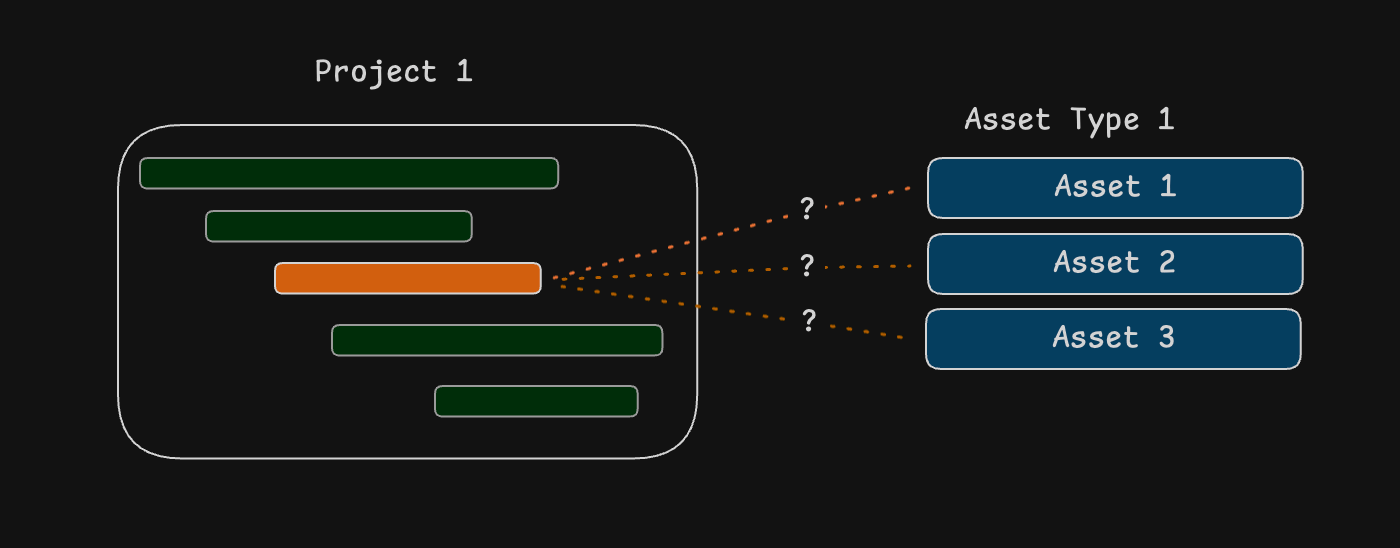
Example 1: asset allocations

For example, let’s say we allocate 1 x ‘20T Excavator’ placeholder to a project. We don’t know which excavator will be available yet, but we know it has to be a 20T model. The excavator is going to be delivered 2 weeks after the project starts. So we set up a dependent date between the allocation and the project. As the required-on-site date approaches, the other project timelines in our portfolio start to firm and have a better idea of which 20T excavators are available to hire. Eventually, we choose to deploy the CAT-123 excavator to the allocation. In Idalia, we simple click the placeholder and select the CAT-123 from the dropdown. The date dependency we set up stays, any notes written or statuses changed too, so everything is kept in sync.

How placeholders help

Placeholders help companies plan and forecast at a higher level without having to commit specific resources. They allow you to create detailed project plans, leaving blanks to fill in later. Placeholders also help your organisation collaborate better between teams. The project manager can load in the high-level project plan for delivering plant to site, to be detailed with specific components later by the asset manager later according to availability.